Source : the age
Nurses and midwives in NSW will receive pay increases of up to 28 per cent after the industrial court acknowledged the majority-female workforce had been historically undervalued, ending a two-year battle with the state’s Labor government.
The majority of the state’s 69,000 nurses and midwives will receive an immediate 7 per cent wage increase including backpay to July, following a historic decision by the NSW Industrial Relations Commission on Thursday.
Treasurer Daniel Mookhey said the government would uphold the court’s decision, estimating the wage bump would cost taxpayers billions over the next three years.
“That’s to be expected, given that this is the biggest cohort of workers in the NSW health system,” he said.
The decision represents the largest single-year increase in wages for nurses in two decades.
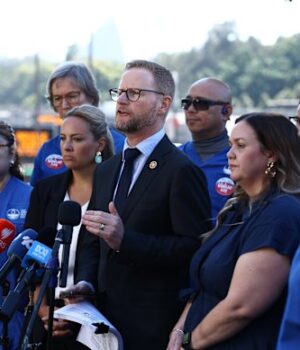
NSW Nurses and Midwives’ Association (NSWNMA) General Secretary Michael Whaites said the union was disappointed in the outcome for most of its members.
“On one hand, [we are] seeing a record pay increase for nurses and midwives,” he said. “But the pay increase has been swallowed up by fuel, rising rents, rising mortgages, paying for parking.”
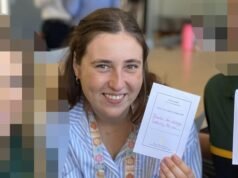
Midwife Emma Kingi, a branch secretary at Sydney’s St George Hospital, said she was glad the commission acknowledged the undervaluation of the professions’ “invisible skills”, but the pay increase would be immediately eroded by rising childcare, mortgage, and fuel costs.
“There’s mixed feelings about the decision,” she said.
Delivering the commission’s decision, Justice Ingmar Taylor said the historical undervaluation of the female-dominated professions, the former government’s wages cap, and high inflation following the COVID pandemic justified a “one-off reset” of their pay.
The full bench of the commission determined this reset should include pay rises of 16 per cent for registered nurses, 18 per cent for enrolled nurses, and 28 per cent for assistants in nursing over the three years of the agreement.
Registered nurses, who comprise the majority of the workforce, will receive a first-year increase of 10 per cent, which includes the 3 per cent interim rise awarded to nurses before the IRC case. This will be followed by 3 per cent pay rises in 2026 and 2027.
The wage hike will be effective from July 1, 2025, a year later than the union sought.
Thousands of nurses and midwives marched through Sydney’s CBD in 2024 during three statewide strikes, which brought the public health system to a standstill.
Many were angry with the government’s approach to bargaining, particularly following its deal with the police union to give some officers wage increases of up to 40 per cent over four years.
Nurses and midwives ultimately accepted an interim 3 per cent increase in September ahead of the six-week court case, where the union pushed for a 35 per cent pay rise over three years.
This included a 15 per cent rise, retrospectively paid for the 2024 financial year, and further 10 per cent increases in the 2025 and 2026 financial years.
During opening submissions, both parties estimated the claim would cost taxpayers more than $10 billion.
“Nurses are expensive now, they’ll be made more expensive, [but] this does not represent an economic disaster,” the union’s barrister, Leo Saunders, told the court in September.
The union argued the increase was necessary to address cost-of-living pressures, compensate for the expanded roles and responsibilities of nurses and midwives, and correct the historical undervaluation of the majority-female workforce.
Nine in 10 nurses, and 98.9 per cent of midwives, are women, Saunders told the court.
In her submission to the court, NSW Treasury deputy secretary Liz Livingstone said the government would not achieve its promised return to net surplus if it met the union’s demands, which would also negatively affect the state’s credit rating.
Mookhey said the effect of Thursday’s decision on the state’s bottom line would be less pronounced, but the government was yet to determine the full impact of the 91,000-page verdict on a promised return to net surplus in the 2027 financial year.
“Taxpayers can be assured it is manageable from the budget perspective,” he said on Thursday.
The commission agreed that awarding a pay rise to more than 50,000 full-time workers would inevitably have an inflationary effect on the state and national economies, with “potential to put upward pressure on interest rates”.
“Such considerations are relevant factors to determining the outcome, but not barriers to appropriate increases,” Taylor said.
The Morning Edition newsletter is our guide to the day’s most important and interesting stories, analysis and insights. Sign up here.
 Angus Thomson is a reporter covering health at The Sydney Morning Herald.Connect via X or email.