Source : Perth Now news
A poliovirus strain has been detected in Australian wastewater for the first time, triggering a surge in testing for the debilitating disease.
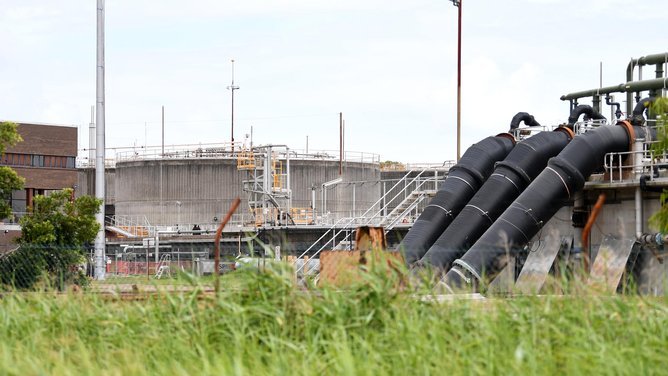
Poliovirus was found in a wastewater sample taken from a Perth wastewater catchment last month, as part of the national polio surveillance.
In response, the Western Australian Government has increased testing to weekly at the inner city Subiaco wastewater plant for the next six months.
WA Health will also work with clinicians to strengthen existing systems to detect polio in hospitals across the state.
Australia was declared polio free from 2000, with the last case acquired locally in 1972.
Authorities found evidence of a vaccine derived poliovirus type 2 strain, similar to recent wastewater detections in other countries in Africa, Europe and Papua New Guinea.
The Australian Centre for Disease Control (CDC) warned the finding was significant, but stressed there was no evidence of the disease spreading in Australia.
According to the CDC, poliovirus is a highly contagious viral disease that can lead to disability and death, and while the risk of contracting the disease is low, vaccination is important.
People infected with poliovirus can have no or mild symptoms, but in a small number of cases the disease can cause paralysis, severe muscle pain, weakness and involuntary movements.

CDC Director-General Zoe Wainer said the discovery was an environmental detection, not a clinical case.
“No cases of polio have been identified, and there is no evidence of local transmission,” she said.
“Australia remains polio-free, but this is a timely reminder to check that you and your children are up to date with routine vaccinations.
“Vaccination is the best protection against polio. If you are unsure whether you or your child needs a polio vaccine or booster, please speak with your GP or immunisation provider.”

Western Australia’s chief health officer Clare Huppatz said the single wastewater polio detection event was very low risk to the population.
“The potential for this strain to circulate in a highly vaccinated population is very low, and the poliovirus vaccination coverage in WA children is 92 per cent,” she said.
Dr Huppatz said the finding was most likely from someone who travelled overseas and was shedding the virus strain.
“Fortunately, Australia has an excellent vaccination program against poliovirus which will protect the community against this strain,” she said.
“This does however serve as a timely reminder that poliovirus continues to circulate in other countries, and the importance of making sure you and your family are fully vaccinated.”