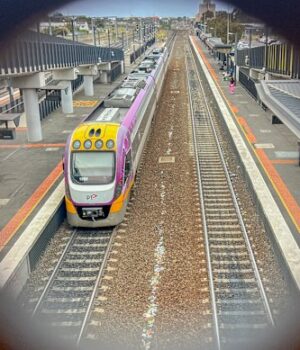
source : the age
Protective Services Officers are being cut from 119 suburban train platforms to beef up security at Melbourne’s most dangerous railway stations.
A radical revamp of Victoria’s PSO deployment to throw more resources at crime hotspots will include daytime patrols at 32 stations, including CBD stations and suburban stops including Dandenong, Sunshine, Footscray, Frankston and Ringwood.
As revealed by The Age, violent offences occurring across the state’s rail network have surged by 33 per cent since the state’s COVID-era lockdowns ended, despite permanent patrols at all 220 metropolitan stations and four V/Line stations daily between 6pm and the last train.
However, Victoria Police data shows transport network crimes spike around mid-morning and afternoon and, despite rising rates at known hotspots, there are low levels of crime recorded at four out of five stations.
Under the changes, unveiled by Victoria Police on Saturday, Melbourne’s train stations have been categorised into three levels of need based on patronage, crime data and police callouts. The 32 category 1 stations will have extended PSO patrols throughout the day as well as platform-based officers from 5pm.
However, 119 smaller, less busy category 3 stations will no longer have platform-based PSOs, and will instead be covered by officers riding trains between the locations or responding as needed, splitting PSO teams between up to six stations.
The stations which will have patrols reduced to roving PSO coverage include 79 stations which recorded no crimes against the person in 2024. A further 101 stations recorded fewer than six crimes against the person in 2024, according to data released by Victoria Police.
There will be no change to current PSO patrols at 73 category 2 metropolitan stations and four regional stations, with the regular teams of officers clocking on at platforms from 6pm each day as normal.
Victoria Police Assistant Commissioner Mick Hermans said the more “agile, impactful” deployment of PSOs would begin on Sunday and be phased in over the next six months.
Under the move, PSOs will patrol 32 “high-risk” stations from 9am until the last service, instead of from 6pm.
“It makes no sense to have PSOs stuck at smaller, less busy stations when they could have more impact aboard the train at these locations,” Hermans said.
“This approach also frees PSOs to conduct more intelligence-led patrols across the network where and when we know crime is occurring.
“That includes during the day when we see spikes in crime in the mid-morning and afternoon, including after school.
“It’s important to make clear PSOs will remain out across the network until the last train service each night.”
Nightly PSO patrols were introduced to all Melbourne railway stations in 2012 after the then Baillieu government was elected in 2010 on a promise to increase transport network security between 6pm and the final train service.
Opposition Leader Jess Wilson slammed the removal of PSOs from suburban stations, and said the officers played a vital role in preventing crime.
Rather than limiting dedicated railway station patrols, Wilson this month promised to recruit an additional 200 PSOs as part of a plan to beef up security in high-risk areas if she won this year’s state election.
She said crime against the person on train stations – including assault, robbery and stalking and harassment – increased by 74 per cent between 2021 and 2025.
“Under Labor, police [numbers] are down, crime is up and PSOs are being stripped from the majority of Melbourne’s train stations,” Wilson said.
Police Minister Anthony Carbines denied the removal of PSOs from stations with low crime rates would limit the perception of safety for many commuters.
“We take our advice from Victoria Police who have asked, and we’ve backed them, that they want to be able to deploy police resources where the crime is to keep Victorians safe,” Carbines said.
“Going back to the future, to models that were 12 to 15 years old, isn’t the answer.
“This is about letting the experts decide where to put their significant resources to keep people safe, which means across so many very busy stations where lots of people are travelling, there will be more PSOs for longer to disrupt crime and hold people to account. And there will be a mobile service that will continue to provide support in the community.”
Start the day with a summary of the day’s most important and interesting stories, analysis and insights. Sign up for our Morning Edition newsletter.