
Source : Perth Now news
A bombshell report has shockingly revealed more Aussies, most of whom are elderly or disabled, have been killed by extreme heat than all other natural disasters combined over an 18-year period.
According to the NSW Net Zero Commission, extreme heat has been responsible for more than half of all listed natural hazard fatalities between 2000 and 2018, with western Sydney bearing the brunt of these reported incidents.
Sweltering Cities executive director Emma Bacon has campaigned to raise awareness around heat inequality and the severe impacts of extreme heat conditions since founding the organisation in 2020. She said the report accurately highlighted “key problems when it comes to recognising heat as a disaster”.
“We don’t have the same really shocking visual story or evidence that we have with other disasters. For floods, fires and storms, you can really see the destruction. For heat, what we see is empty streets,” Ms Bacon said.
“People who are most likely to get sick and die are often falling ill in these isolated, really private circumstances, so you don’t have the photographic evidence of how bad things are getting.”


“What we often see alongside headlines of ‘record heat’ is pictures of people at the beach, which really undersells the scale of the health impacts which are actually happening.”
The report found that every time the temperature goes up by 1C, the rate of people arriving at hospital emergency departments with heat-related illness dramatically rises by 20 per cent.
The commission also highlighted disabled and elderly people as two of the most vulnerable demographics when heat conditions become extreme.

Ms Bacon said during the organisation’s annual summer survey, the most harrowing testimonies came from people with disabilities.
“We kept hearing about this constant sense of dread and despair that people are feeling because they can’t do anything about the situation they’re in,” Ms Bacon said.
“We heard about experiences of people telling us they felt stuck, and they weren’t able to sleep and they were in pain and just finding the heat so extremely hard, and I think the most frustrating thing about all of this is that these are solvable policy problems.
“We can make sure our public transport system is more accessible, we can support people with disabilities, we can afford social support.”

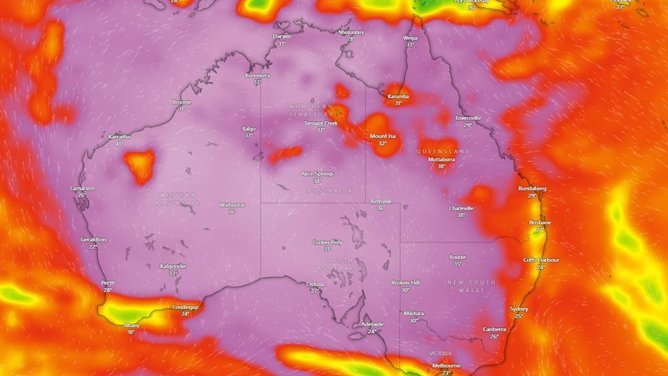
The Bureau of Meteorology says an El Nino system is on the way and will settle over the continent towards the end of winter, causing prolonged dry conditions and heightened temperatures across the country.
Ms Bacon said disabled Australians were “worried they are going to lose what they have” following the announcement that 160,000 people would be booted from the National Disability Insurance Scheme going into what is expected to be one of the driest, hottest periods for Australians on record.

“It’s really frustrating to see these cuts happening when we know from our surveys that what people need is more support to survive these heatwaves,” Ms Bacon said.
“Something we hear from people again and again is that when it’s hot, they feel like they need more support, and this is true in both disability and aged care. People are really struggling to get the level of support they feel like they need.
“What we’d love to see is support that is more responsive to disasters which are happening instead of the removal of support for people, especially when it comes to them just being able to live their everyday lives.”
Ms Bacon said the government should take the Net Zero Commission’s report “extremely seriously”.

“We’re really going to be looking for the response form the minister because the fact is that how the government chooses to respond to this report will decide how many people die in the heatwaves of our future,” she said.
“Those are the stakes of what we are talking about.”
Net Zero commissioner Andy Pitman AO said extreme heat was often overlooked by policymakers as a major issue because “unlike floods or bushfires, heat leaves very little visible destruction”
“It is quietly taking lives … the tragedy is that most of this harm is preventable. Our current responses to heat stress don’t match the scale of the risk,” Professor Pitman said.
“This report shows that if we act now, smarter planning, safer housing and better protections for workers can save lives, reduce pressure on hospitals and boost our economy.”

The report noted that it was now up to authorities to pay more attention to what extreme heat was doing to Australians.
“Stronger alignment across agencies, supported by appropriate resourcing and robust monitoring, will be essential to ensure that policies translate into measurable reduction in harm,” the commission said.
“As climate change continues to intensify extreme heat across the state, sustained attention, transparent reporting and continuous policy improvement will be essential to protecting the health and wellbeing of NSW communities and securing a safer, more resilient future.”