
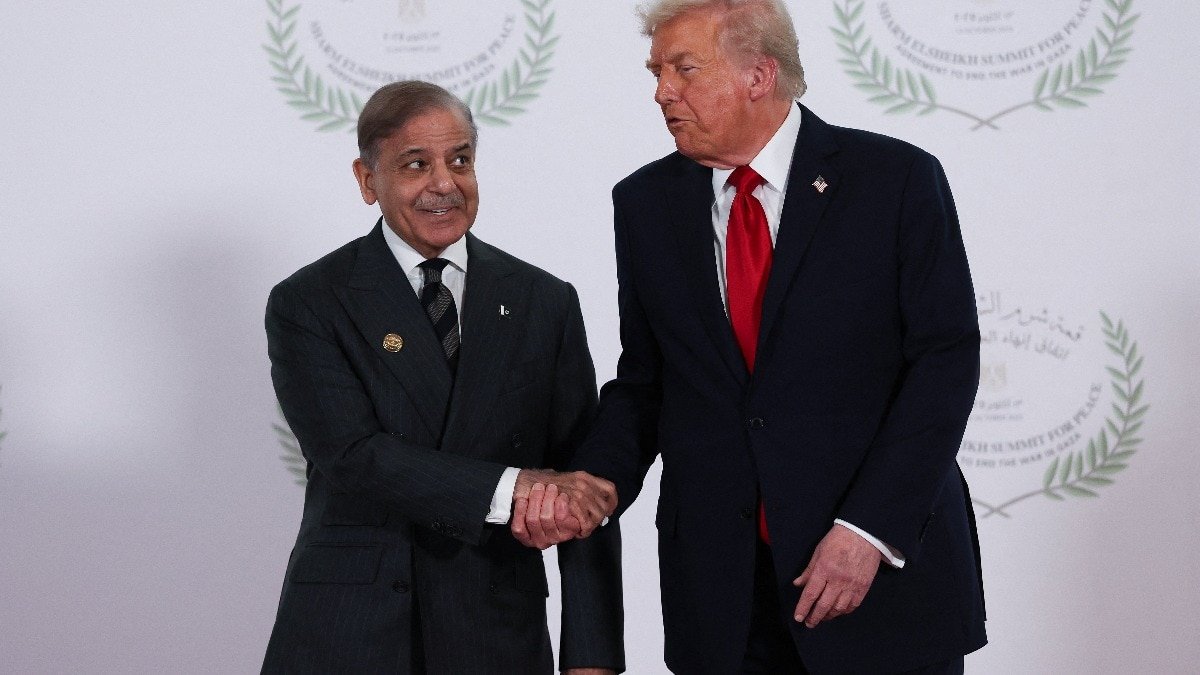
Source : INDIA TODAY NEWS
Pakistan is positioning itself as a peacemaker in the West Asia conflict, emerging as an unlikely mediator between the United States and Iran. A nuclear-armed state that does not formally recognise Israel and has had a fraught history with Washington has now secured a high-profile diplomatic role. But how did this striking diplomatic turnaround come about?
This shift has been driven in part by its calculated alignment with Donald Trump’s distinctly transactional approach to diplomacy, marking a notable recalibration of its foreign policy.
advertisement
Pakistan’s ties with Trump began on a rocky note during his first term, when he accused the country of offering “nothing but lies and deceit”. Over the past year, however, Islamabad has undertaken a focused diplomatic outreach to rebuild ties with the Trump administration, as noted by The Washington Post.
Former Pakistani Senate Defence Committee chairman Mushahid Hussain Syed said the country quickly grasped Trump’s transactional style, saying, “We read him right.”
“We delivered, and we delivered big time,” Syed added, specifying, “We gave him the three C’s: crypto, critical minerals and counterterrorism.”
Pakistani officials also highlight their role in tracking down a suspect linked to the 2021 Kabul airport attack, seen as an early goodwill gesture during Trump’s current term. Symbolic moves have further reinforced the outreach, from publicly crediting Trump for a ceasefire with India – a claim New Delhi rubbished –, to nominating him for the Nobel Peace Prize and joining his so-called “Board of Peace”. Trump, in turn, referred to Pakistan Army chief General Asim Munir as his “favourite field marshal”.
This sustained engagement now appears to be yielding results, with Pakistan hosting talks aimed at de-escalating tensions between Washington and Tehran, the Post added.
Pakistan’s role is largely that of a facilitator, leveraging working relationships with both sides. Pakistan’s status as a nuclear power, coupled with its strategic geographic location, has strengthened its diplomatic leverage, analysts say.
At a time of heightened regional volatility, Islamabad’s ability to maintain open channels with both Washington and Tehran has positioned it as a useful intermediary.
However, this growing diplomatic prominence stands in stark contrast to its domestic challenges. Pakistan continues to grapple with a deepening economic crisis, marked by rising fuel prices, currency depreciation, and heavy reliance on external financial support. The Iran conflict has compounded these pressures.
With more than 90 percent of its fuel imports transiting through the Strait of Hormuz, disruptions have forced the government to draw on reserves and hike fuel prices. The fallout has also triggered unrest, including violent protests following the killing of Iran’s supreme leader in US-Israeli strikes earlier this year.
Critics argue that Islamabad’s proactive diplomacy may be driven as much by domestic political compulsions as by genuine peacemaking ambitions. Some analysts suggest the government is seeking to bolster its global standing and consolidate authority at home amid mounting economic and political strain. Others question the long-term value of agreements with the US, particularly in areas such as critical minerals and cryptocurrency, warning that these may not yield tangible economic benefits.
– Ends
Tune In
Must Watch
SOURCE :- TIMES OF INDIA


