
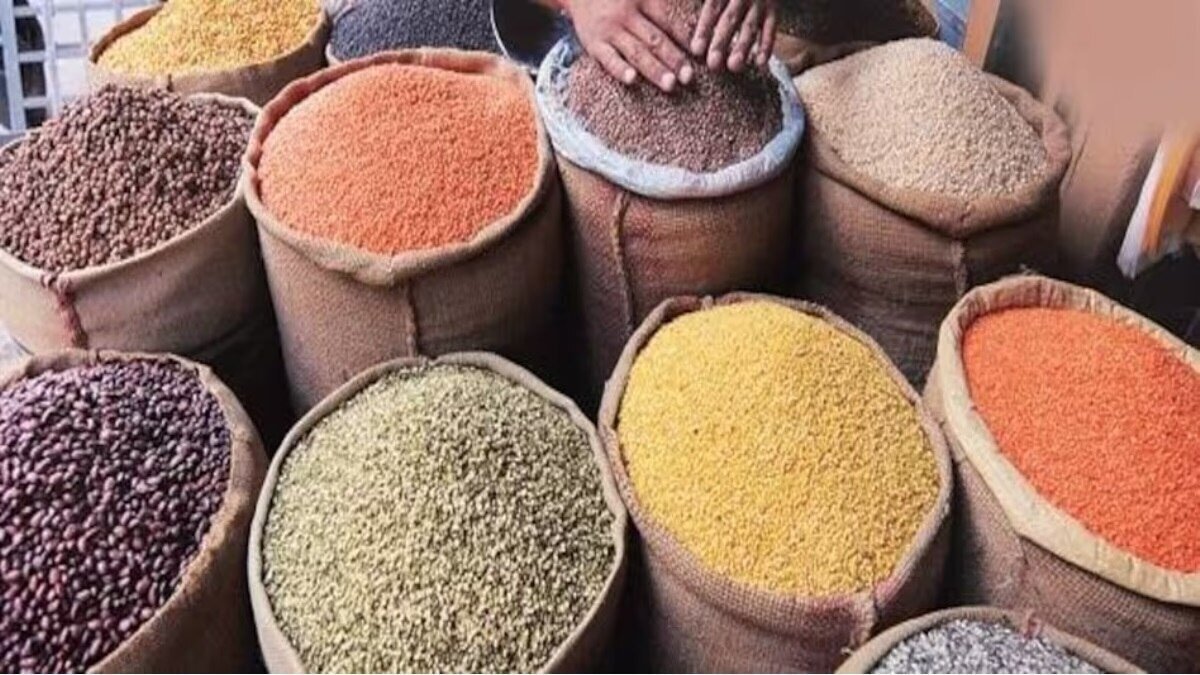
Source : INDIA TODAY NEWS
Every year on February 10, the world celebrates World Pulses Day, an initiative by the United Nations to promote pulses as a key crop for nutrition, sustainability, and food security. First declared in 2019, this day encourages awareness about pulses’ potential to fight hunger, boost health, and support farmers globally.
WHAT EXACTLY ARE PULSES?
Pulses are edible seeds from leguminous plants such as lentils, chickpeas, beans, peas, and pigeon peas. Unlike other legumes grown for oil or fodder, pulses are protein-packed, fiber-rich, and low in fat. They also contain essential vitamins and minerals like iron, folate, potassium, and magnesium, making them a complete nutritional powerhouse.
advertisement
WHY PULSES ARE CALLED THE POOR MAN’S PROTEIN
Protein is vital for muscle growth, tissue repair, and overall body function. While meat, fish, and dairy are often expensive or hard to access for many communities, pulses provide a cost-effective alternative. Just 100 grams of lentils can supply around 9 grams of protein, rivaling the nutritional benefits of some meats at a fraction of the price. That’s why pulses have earned the title “the poor man’s protein.”
PULSES AND GLOBAL FOOD SECURITY
Pulses aren’t just nutritious they are critical for sustainable agriculture. They naturally fix nitrogen in the soil, reducing the need for chemical fertilizers and supporting long-term soil health. With their low water requirement, pulses are climate-smart crops capable of feeding a growing population while conserving natural resources.
According to the Food and Agriculture Organisation (FAO), pulses currently feed over 3 billion people worldwide, making them a cornerstone of food security in developing countries.
HEALTH BENEFITS OF PULSES
-
Protein Power: Pulses are a top source of plant-based protein, essential for body repair and immunity.
-
Heart Health: Regular consumption lowers LDL (bad) cholesterol and reduces cardiovascular risk.
-
Weight Management: High fiber keeps you full longer, reducing overeating.
-
Diabetes Control: Low glycemic index helps regulate blood sugar levels naturally.
-
Digestive Wellness: Fiber promotes gut health and prevents constipation.
-
Cancer-Fighting Nutrients: Contain antioxidants and phytochemicals that may reduce cancer risk.
CREATIVE WAYS TO ENJOY PULSES
Pulses aren’t just for dal! They can be turned into soups, stews, salads, snacks, or even desserts. Examples include:
-
Chana masala or rajma curry for protein-rich meals
-
Moong dal khichdi for a simple, wholesome comfort food
-
Lentil soups for a hearty, immune-boosting option
-
Roasted chickpea snacks for a crunchy, healthy treat
FUN FACTS ABOUT PULSES
-
Pulses have been cultivated for over 8,000 years.
-
India is the largest producer and consumer of pulses globally.
-
A diet rich in pulses can reduce global carbon emissions, making them environmentally friendly.
World Pulses Day is more than a celebration; it’s a reminder of pulses’ global importance. From fighting malnutrition and boosting farmers’ incomes to promoting environmental sustainability, pulses are a superfood for the planet and people alike. Investing in pulses is not just smart for health it’s smart for the future of food.
– Ends
SOURCE :- TIMES OF INDIA