
Source :- THE AGE NEWS
By Billie Eder
Every Event. Every Medal in 4K.
Watch live & on demand.
Livigno: One of the most important items an athlete packs for the Winter Olympics, besides their snowboard or skis, are lenses.
Especially in dodgy conditions, like the ones that postponed events in Livigno on Tuesday, an Olympian’s choice of lens can impact and influence the way they see the course and whether they medal.
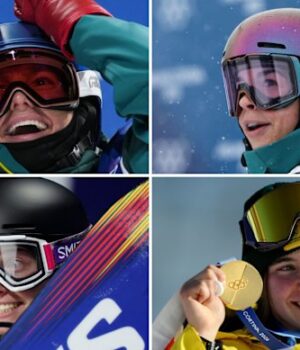
Australian Olympians Scotty James, Jakara Anthony, Tess Coady and Josie Baff.Credit: Getty/AP
Whether it’s purple, yellow red, blue or clear – they all serve a purpose, and can all be found inside an athletes kit bag.
Australian aerials coach Renee McElduff said lens choice was up to each athlete, which is why you can see different colours on any given day, but said athletes would consult their coaches if they were unsure on a tricky weather day.
“It depends a little bit on the athlete. The athletes are very experienced, so nine times out of 10, they’ll pick their own lens, and they do need to change it based on the weather condition,” she said.
“If they’re a little bit unsure, it might be something we go through together, but for most of our athletes who are here, they’ve jumped long enough to know what lens they need to swap out when.”
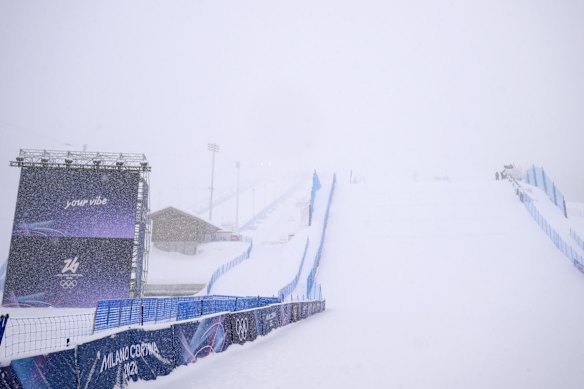
Athletes wear different lenses in low visibility conditions so they can see the landing easier. Credit: Getty Images
For most snowboard and ski events, athletes wear goggles. In aerial skiing, however, because athletes are doing so many rotations, they wear cycling glasses as the sealing on goggles obstructs their peripheral vision when they’re tumbling through the air.
Olympic medallist Lydia Lassila, who won gold in the aerials at the 2010 Olympics in Vancouver, said she had about five different types of lenses in her kit bag.
Observing the hazy conditions at the aerials on Tuesday, Lassila said she would go for a brighter lens because it makes it easier to see.
“Aerial skiers wear cycling glasses, and they do that with different lenses that you can adjust. So, like today it’s flat light, so you’d put a lens in that’s quite bright – a yellow lens – and that would just make everything a bit brighter,” she said.
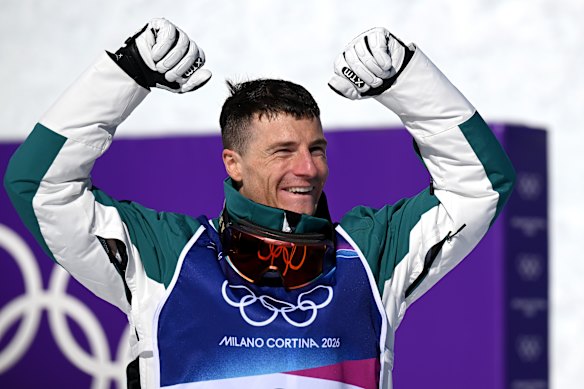
Australian bronze medallist Matt Graham wears pinky/red goggles during his bronze medal-winning run.Credit: Getty Images
The same goes for moguls skiers, although they wear goggles. On overcast days moguls skiers often wear a pink lens to brighten the snow and bring out the definition of the moguls.
But each athlete is different.
“If you wear yellow lenses on a really sunny day, it’s too bright, so you need something in between, like an orange or a soft brown lens,” Lassila said.
“And then on really sunny days, and if the sun is really direct, then you’d use a reflective lens.”
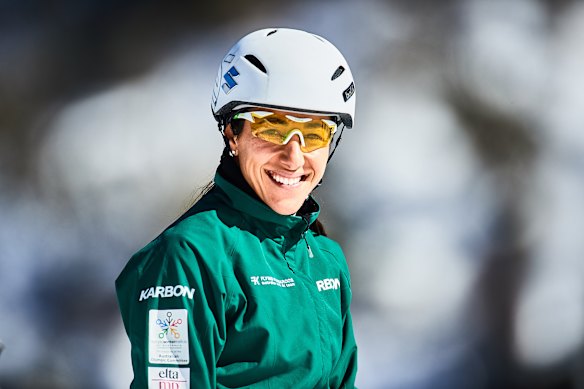
Australian Olympic gold medallist Lydia Lassila.Credit: Andrew Railton
Clear lenses are used for nighttime, said Lassila, although she preferred to use yellow.
On sunny days with a lot of glare, you’ll often see athletes opt for a darker lens, like blue or grey, to reduce the overall light.
Events were eventually called off on Tuesday not just because of the low visibility, but more because the conditions made it difficult for emergency authorities to access the site if they were needed.
Even on those days, when visibility is low due to the relentless snow, Lassilla said athletes can usually see where they’re landing because of lens choice, and because maintenance workers throw pine needles on the landing to differentiate the snow and the sky for athletes when they’re jumping in the day.
The 2026 aerial events are being held in the day, but Lassila said athletes preferred to compete at night because the definition between the sky and the snow was obvious.
“It’s the best conditions to jump. You’ve got the night sky, and you’ve got the white snow, and you’ve got that really good distinction,” she said.
“You can see all the lines and features of the snow. Under the lights is everyone’s favourite.”
Even when the conditions are bad, aerials athletes don’t get disoriented in the air as much as you’d think, said Lassila.
“You always need to look at the landing point – where you’re going to land – in between each flip,” she said.
“The minute you take your eyes to the sky, you’re lost. So that’s where you get people in trouble.”
The Winter Olympic Games is broadcast on the 9Network, 9Now and Stan Sport.
News, results and expert analysis from the weekend of sport sent every Monday. Sign up for our Sport newsletter.