
Source : Perth Now news
After making progress on a crucial hanging point of naming products like butter and wine, representatives from Australia and Europe are hoping to thrash out the final touches of a long-awaited trade agreement.
Ursula von der Leyen, the head of the European Union, will make her first appearance before the national parliament on Monday for a three-day visit to Sydney. She will meet with Prime Minister Anthony Albanese and become the first female unusual leader to address the country’s parliament.
An Australia-EU free trade agreement signed by Ms Von Der Leyen and Mr Albanese is frequently anticipated, putting an end to a years-long story marred by stalled conversations and recently contentious issues.
They are also expected to discuss Australia’s first social media years ban, which some European nations intend to follow.
On Monday, Trade Minister Don Farrell and rival Maros Sefcovic may talk about the free-trade agreement.
Previous discussions have stalled mainly as a result of disagreements in the agriculture sector.
The American area opposes the EU negotiators ‘ push for meat producers to be able to offer more of their products to the continent because they want to shield their farmers from increased competition.
A source close to the conversations who was unauthorised to speak publicly told AAP that some farmers are likely to be disappointed by the agreement’s limited access to European markets. However, the two parties have also made progress.
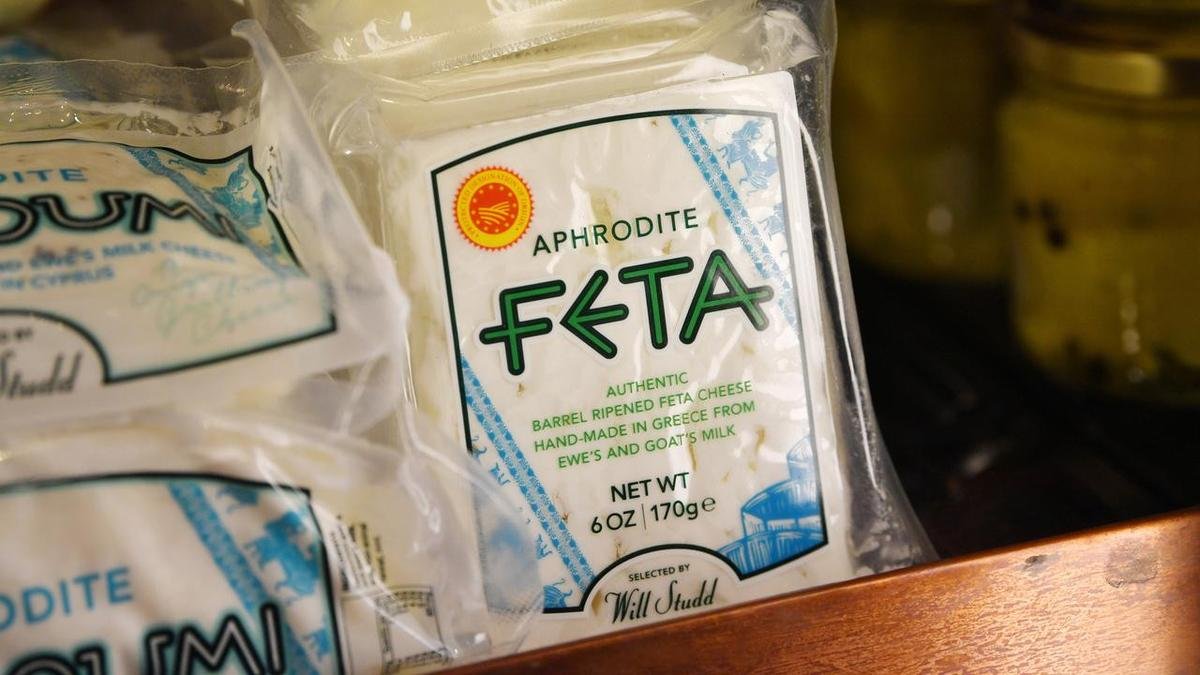
Additionally, Europe has long wanted to forbid American farmers from using regional calling standards like greek, parmesan, and prosecco.
When the last agreement is reached, it is likely to be possible to reach a settlement on that issue.
Prudence Gordon, a former American trade official, claimed the demand for an agreement demonstrated how aggressively Europe and Australia were opposing US President Donald Trump’s overturning of traditional trade agreements.
The current executive director of the American Centre for International Trade and Investment, AAP, stated,” The fact that Australia and the Union are negotiating this trade deal actually signals their efforts to combat the panic created by Donald Trump.”
Mr. Albanese has attempted to present the deal as advantageous for Australian exporters who could generate an additional$ 10 billion annually.
He stated at a recent meeting of food and beverage makers that it might increase exposure for American businesses to a growing German industry of 450 million consumers who are willing to get their hands on local products.