
source : the age
More than 100 construction projects across NSW’s hospitals and other healthcare sites are now under the microscope after an expert report into a deadly fungal outbreak at a major Sydney Hospital found gaps in the state’s infection control measures.
Royal Prince Alfred Hospital’s chief executive, Deb Willcox, accepted all recommendations from the expert panel’s report, released on Friday, which revealed one patient remains in intensive care four months after exposure to Aspergillus mould.
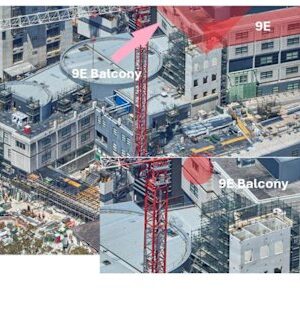
The experts concluded a balcony exposed to spores from RPA’s major redevelopment construction site was probably the source of the fungus cluster implicated in the deaths of two transplant patients. Four other patients became seriously ill after their exposure.
Environmental testing and cleaning monitoring failed to meet care delivery standards, according to the report, prompting NSW Health Secretary Susan Pearce to order audits across NSW Health’s extensive network of construction projects.
“What this report does is require us to strengthen [the link] between construction work and the infection-prevention control measures that are taken,” Pearce said at a press conference on Friday.
“It is absolutely tragic what has happened here. None of us standing here is pretending otherwise,” Pearce said. “It is so important that we learn from that.”
Pearce said all the more than 100 construction projects under way across NSW’s healthcare system would be scrutinised as a result of the report’s findings. The auditing process is already underway.
Major redevelopments are occurring at several Sydney hospitals, including Nepean, Ryde, St George, Liverpool and Campbelltown.
The cause of the infections, Aspergillus, is a common mould found in damp environments. Digging and construction work can disturb mould deposits, releasing airborne spores.
Most Aspergillus strains are harmless, but a few can cause serious illness when their spores are inhaled, and are most dangerous for people with lung disease, asthma, and compromised immune systems.
The report noted the balcony implicated in the fungus cluster was accessible to patients on RPA’s transplant ward while construction occurred next door on the hospital’s $940 million redevelopment. At least one of the affected patients used the balcony before it was shut off in late November.
The report found that CPB managed and monitored emissions at its construction site boundaries, but did not assess the risk to patients’ access to balconies near or above the construction works.
Its recommendations included updating the hospital’s construction risk assessments and monitoring to include all clinical areas, including air intakes, windows, and balconies, and establishing a formal governance process to monitor and respond to any increase in invasive fungal infections.
“We will be implementing everything that the … panel has brought forward,” Willcox said.
Willcox said CPB was responsible for carrying out the infection management plan, and it was the hospital’s job to monitor its implementation.
This partnership needed to be “tightened up”, she said.
Two patient deaths were linked to the cluster, and subject to Serious Adverse Event Reviews (SAERs). Another patient died in November, but their death was attribute to sepsis associated with a skin condition, rather than the fungal infection.
Two cases were discharged home, and one remains in ICU.
Willcox confirmed the expert review panel found that Aspergillus infection directly impacted the two patients who died, but “we will never absolutely know the cause [of their deaths]”.
NSW Health Minister Ryan Park said he hoped the report provided some answers to the patients’ families.
“There is always room for improvement in our health system, and I’ve made it clear I want these recommendations implemented across all of our hospitals,” he said.
The health district and Park have faced criticism for keeping the deaths secret for almost three months.
The saga has shined a spotlight on maintenance issues across NSW’s public hospitals including mould outbreaks, bird lice from pigeons, collapsed ceilings, and maggot infestations.
Start the day with a summary of the day’s most important and interesting stories, analysis and insights. Sign up for our Morning Edition newsletter.
 Angus Thomson is a reporter covering health at The Sydney Morning Herald.Connect via X or email.

