
Source : THE AGE NEWS
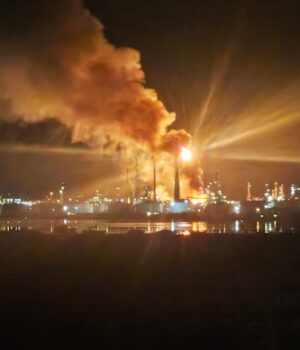
The owner of one of Australia’s only two oil refineries expects to ramp back up to above 90 per cent of its maximum output within weeks, as it recovers from a major blaze that crippled key production units and heightened worries about Australia’s vulnerability to an ongoing global supply crunch.
The update from Viva Energy points to a recovery timeline that is quicker than first feared when the fire struck on Wednesday, and helps stabilise the outlook for domestic fuel security as the war in the Middle East continues. Petrol prices have already begun easing – from $2.50 a litre to as low as $1.90 for regular unleaded at some service stations – amid growing hopes of a peace deal, while federal Treasurer Jim Chalmers has signalled that the government is weighing an extension to its 26¢-a-litre cut to fuel excise that was scheduled to end in the middle of the year.
In a statement on Monday morning, Viva said that damage assessments at its Geelong oil refinery, on the shores of Corio Bay, had confirmed the blaze was confined to the alkylation unit, which converts gases into a component needed in petrol. Other major processing units in the petrol-production complex were unaffected.
The fire, sparked by an equipment fault, forced Viva to cut back to minimum output levels across the facility at an inopportune time. Until last week, the Geelong refinery had been operating at full capacity, delivering up to 50 per cent of all the fuel used in Victoria, and 10 per cent of the national total. Viva Energy has been seeking to pump out as much as possible to help Australia withstand global supply pressures caused by the war in the Middle East.
While acknowledging that the timing could hardly have been worse, the company insists the impact of the fire will be limited, and that it will not worsen the availability of fuel for Australian motorists and businesses.
The refinery had already clawed back the majority of its production capacity – returning to 60 per cent of its petrol volumes and 80 per cent of diesel and jet fuel – and was expected to return to 90 per cent “over the next few weeks”. Viva Energy said it had sufficient fuel stocks to cover this reduced production and that it expected to “maintain normal fuel supply to our customers following this incident”.
Chief executive Scott Wyatt said any ongoing drop-off in refinery output from Geelong could be comfortably bridged by increasing imports from overseas suppliers.
“I think there will be no impact to what we supply into the Victorian market as a result of this incident,” he said.
In addition to supplying fuel from its refinery, Viva also brings in vast volumes of imported fuel via its network of shipping terminals scattered across the coastline, and can draw on its partnership with trading partner Vitol, one of the world’s biggest oil traders, to bolster deliveries. In total, Viva’s operations in Australia supply about 30 per cent of the nation’s fuel.
Speaking to reporters on Monday, Chalmers did not rule out an extension of the government’s fuel excise cut.
“We keep all those policies under review,” Chalmers said.
A halving of the fuel excise, cutting 26¢ a litre, kicked in on April 1. Coupled with state cuts to GST, the changes have trimmed 32¢ a litre at the petrol pump.
The cost of crude oil, which is refined into petrol and diesel, has surged since the first US-Israeli attacks on Iran on February 28, and pushed up fuel prices in Australia and around the world. However, oil prices began easing after US President Donald Trump agreed to a ceasefire deal. Last week, the average price for unleaded petrol dropped below $2.10 a litre in Melbourne and Sydney for the first time since the Iran war began.
Chalmers said diesel prices were not reflecting the significant recent falls in unleaded petrol prices. Diesel is now selling for an average price of about $2.90 a litre in Sydney and Melbourne.
“What we’ve seen a little bit over the last couple of weeks is really good progress on petrol prices not reflected necessarily in diesel prices,” he said.
With more than a month of fuel reserves stashed in storage facilities and dozens of tankers carrying crude oil and refined fuels still booked to arrive in coming weeks, the fuel industry and federal government are confident that supplies will remain steady until nearly mid-year. However, the longer the conflict in the Middle East drags on, the greater the threat of eventual shortfalls.
Some experts have criticised the government’s fuel excise cuts for masking the price signal to motorists to reduce fuel consumption.
But Chalmers said the excise cuts did not shield motorists entirely from fuel price hikes.
“We’re still seeing price signals in the markets,” he said. “We have taken some of the sting out of that, but we haven’t in both cases been able to totally remove that price signal.”
The Business Briefing newsletter delivers major stories, exclusive coverage and expert opinion. Sign up to get it every weekday morning.
 Nick Toscano is a business reporter for The Age and Sydney Morning Herald.Connect via X or email.
 Mike Foley is the climate and energy correspondent for The Age and The Sydney Morning Herald.Connect via email.

