
Source : THE AGE NEWS
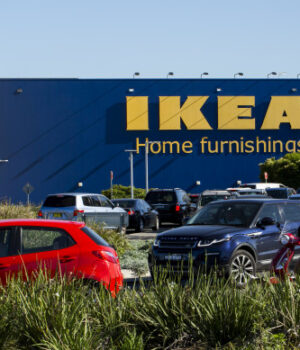
IKEA has slashed its longstanding one-year return policy for opened items and reduced it to two months, in a significant shift for the DIY furniture giant as it grapples with rising logistics costs.
The Swedish manufacturer told Australian and New Zealand customers that opened or assembled items must be returned within 60 days, rather than 365 days, winding back a policy that was one of its signatures.
From April 9, customers will only be eligible to receive store credit, and cannot be refunded money to their original payment method for change-of-mind returns.
An IKEA spokesperson claimed that the changes had been “designed to provide greater peace of mind and flexibility”.
“The IKEA ‘Test & Try’ policy gives customers a fair time period of 60 days for a change of mind if the product does not suit their life at home, with the ability to return an opened and assembled product in acceptable condition,” the spokesperson said.
Unopened, unused and resealable products can still be returned within 365 days.
The shortening of IKEA’s policy on opened or assembled items, which has been in place since the mid-2010s, marks the end of a no-questions-asked company policy that was designed to build consumer trust in the flat-pack furniture model.
The policy became part of IKEA’s brand in Australia. In 2006, comedy group The Chaser tested the policy by attempting to return increasingly bizarrely built pieces of IKEA furniture to the chain. Most were accepted.
Across the retail industry, generous returns policies opened the door for customers to purchase more items than they intend to keep, like buying the same product in three different colours or sizes and returning two. During the pandemic, many global retailers that had a low-cost or free returns policy began re-introducing return fees to combat the increasing cost of processing a return.
The returns process, sometimes referred to as “reverse logistics”, has become more expensive for retailers to cover as arrangements have to be made for the goods to move from the consumer back to the retailer or manufacturer and then assessed for returns, repair, recycling or disposal.
The number of retailers offering free returns fell from one in two to 14 per cent between 2018 and 2025, according to data from deliveries software company Shippit.
“Easy returns have always been a powerful drawcard for consumers, but the unit economics was never sustainable for retailers,” Shippit stated in its latest report on deliveries.
IKEA operates “as-is markets” in Australia that allow customers to buy used products. There is also a thriving secondhand market online for some of the Swedish chain’s best designs.
The 365-day returns policy opened the door for customers to use furniture for nearly a year before returning it to IKEA for a refund or a newer model.
Additionally, higher inflation, pressure on petrol prices and Australia’s geographic spread have made it more difficult for retailers to bear the cost of returns.
While the 365-day returns policy has been great for IKEA’s global brand, it has not been consistently applied around the world: in 2020, the Swedish furniture maker started reducing its returns window on assembled products from 365 days to 180 days in the US.
Canada has a 90-day full-refund window, meaning Australian and New Zealand customers are now subject to some of IKEA’s most stringent returns policies around the world.
The Business Briefing newsletter delivers major stories, exclusive coverage and expert opinion. Sign up to get it every weekday morning.
 Jessica Yun is a business reporter covering retail and food for The Sydney Morning Herald and The Age.Connect via X or email.

