
Source : THE AGE NEWS
One of Australia’s biggest miners has fast-tracked a multibillion-dollar push to eliminate diesel and natural gas from its flagship iron ore operations, citing the conflict in the Middle East as a major catalyst for the industry to end its reliance on volatile global energy markets.
Fortescue Metals Group, the Perth-based iron ore giant chaired by billionaire Andrew “Twiggy” Forrest, on Friday brought forward by two years its plans to build enough new wind turbines, solar panels and large-scale batteries to fully power its vast mining assets across Western Australia’s remote Pilbara region.
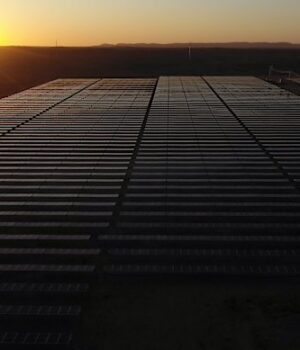
While Fortescue is currently a major polluter of greenhouse gas emissions that are dangerously heating the planet, it has been pushing harder into renewable energy since 2020, and it now aims to complete what it expects will be the first fully integrated industrial green energy grid in the world by 2028. The grid will include 1.2 gigawatts of solar capacity, more than 600 megawatts of wind generation and between four and five gigawatt-hours of battery energy storage.
By early next year, the company aims to have added enough renewable capacity to meet the fixed energy requirements of its ore-processing facilities. It anticipates it will be able to power its entire Pilbara operations for 24-hour periods without fossil fuels by the end of next year.
“As the world enters an entrenched gas and diesel supply crunch, Fortescue is stepping beyond these problems,” Forrest, one of Australia’s richest people, said on Friday.
“With years to spare, the massive technology development needed is largely behind us and construction is in full swing. We can see the end in sight.”
The initiative is a part of Fortescue’s ‘Real Zero’ initiative, under which it aims to eliminate greenhouse gas emissions from its Australian iron ore operations by 2030. Unlike the net zero targets set by most countries and corporate polluters, Fortescue’s commitment will not use carbon credits and offsets to balance its emissions, and aims to completely remove fossil fuels from its operations.
The fast-tracking of Fortescue’s green energy push puts the company at odds with other Australian miners, which have urged the federal government to pause a review of industrial emissions limits so they can prioritise fuel security as they grapple with the fallout from the war in the Middle East.
Iran’s effective blockade of the Strait of Hormuz, a vital shipping corridor, has disrupted up to 20 per cent of global crude oil supply over the past month, making petrol and diesel vastly more expensive, and raising fears about crippling fuel shortfalls hitting businesses and motorists. Drone and missile strikes on key Qatari liquefied natural gas infrastructure have also sent global gas prices soaring.
The Pilbara mining hub, home to the lucrative iron ore mines owned by BHP, Rio Tinto and Fortescue, is a dominant economic driver for Australia. Exports of the key steel-making raw material iron ore from the region fetched $116 billion of income in the past financial year and typically account for up to 5 per cent of Australia’s gross domestic product.
However, the region’s sprawling iron ore mines are almost entirely powered by fossil fuels, specifically gas and diesel for electric generators and heavy-duty haul trucks, making them major contributors of climate-heating emissions.
Forrest said Fortescue’s adoption of renewables and electric trucks had defied the critics who had argued that the transition would cost too much and the technology would not be viable for another decade.
As the war in Iran destabilises global energy supply chains and underlines the “massive risks of fossil fuel dependence”, Forrest said companies and entire countries could “free themselves from this current war over energy, and the next one” by investing in low-cost, emissions-free energy.
“Last month, as gas supply tightened across the Pilbara, Fortescue was forced to secure emergency fuel supplies at up to double the usual price,” Forrest said.
“Thankfully, our solar farms are up and running and delivered a massive 1.2 gigawatt-hours over four days, slicing exposure to these costs and keeping our operations running hard.”
Fortescue, which still earns most of its money digging up and selling iron ore, has been seeking to diversify into the production of green hydrogen, a promising future energy source that burns cleanly and could eventually help displace the use of coal, oil and gas in heavy industry.
Fortescue says it remains steadfast in its commitment to green hydrogen but major barriers to technology’s viability remain, the biggest of which is that it still costs much more to make than hydrogen produced from fossil fuels, and that not enough customers are yet willing to pay the premium.
Fortescue has hit the brakes on the speed of its ambitions, and it has cancelled some of its early-stage projects, blaming the high cost and the vast amount of renewable energy required.
The Business Briefing newsletter delivers major stories, exclusive coverage and expert opinion. Sign up to get it every weekday morning.
 Nick Toscano is a business reporter for The Age and Sydney Morning Herald.Connect via X or email.

