
Source : INDIA TODAY NEWS
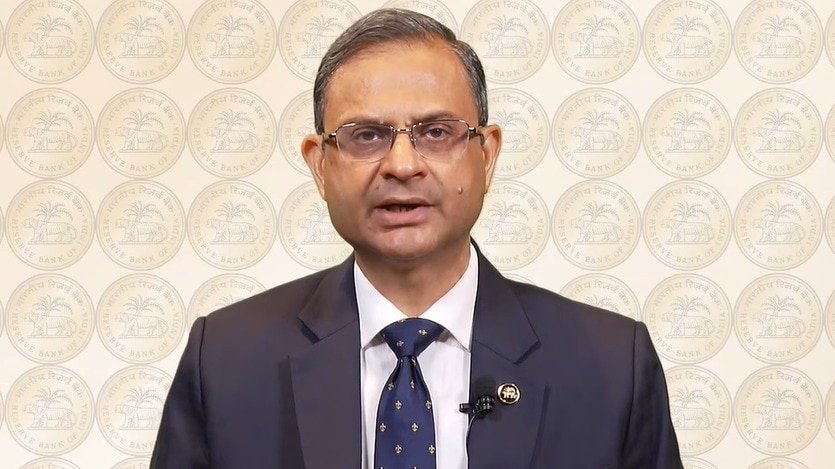
Reserve Bank of India (RBI) Governor Sanjay Malhotra on Wednesday announced that the Monetary Policy Committee (MPC) has kept the repo rate unchanged at 5.25%, as the central bank chose to stay cautious amid global uncertainty linked to the West Asia conflict.
The repo rate has remained unchanged since December 2025, when it was last revised.
Announcing the decision, the Governor said, “After a detailed assessment of the evolving macroeconomic and financial developments and the outlook, the MPC voted unanimously to keep the policy repo rate unchanged.”
advertisement
Along with this, the standing deposit facility rate remains at 5%, while the marginal standing facility rate and bank rate continue at 5.5%.
The RBI also retained its neutral policy stance.
WHY RBI CHOSE TO HOLD RATES
The Governor said the decision comes at a time when global uncertainty has increased due to the ongoing conflict.
“The MPC noted that since the last policy meeting, geopolitical uncertainties have heightened significantly,” he said.
The central bank said inflation remains under control for now, but risks are rising due to higher energy prices and possible weather-related impact on food prices.
“Headline inflation remains contained and below the target. However, upside risks to the inflation outlook have increased,” the Governor said.
CORE INFLATION AND UNCERTAINTY
The RBI noted that core inflation pressures remain muted, but there are concerns about supply chain disruptions and possible second-round effects.
“Core inflation pressures remain muted although supply chain dislocations and the risk of second round effects render the future inflation trajectory uncertain,” Malhotra said.
Because of this uncertainty, the MPC has chosen to wait and watch before taking any further action.
GROWTH STRONG, BUT RISKS RISING
On growth, the RBI said the economy has shown strong momentum so far, supported by consumption and investment.
“High frequency indicators suggest the continuation of strong momentum in economic activity,” the Governor said.
However, he warned that the West Asia conflict could affect growth through higher costs and supply disruptions.
“Higher input costs along with supply chain disruptions would impair growth,” he said.
HOW THE ECONOMY MAY BE HIT
The RBI outlined multiple risks from the conflict.
“Elevated crude oil prices could increase imported inflation and widen the current account deficit,” the Governor said.
He added that disruptions in energy and commodity markets could affect industries and agriculture, while global uncertainty may impact investment, consumption and liquidity.
The central bank also warned that if supply chain issues continue, the current supply shock could turn into a broader demand shock over time.
Despite the risks, the Governor said India is in a stronger position compared to past crises.
“The fundamentals of the Indian economy are on a stronger footing providing it with greater resilience to withstand shocks,” he said.
RBI TO STAY ALERT
The RBI said it will continue to monitor incoming data closely and remain ready to act if needed.
“The MPC remains vigilant, closely monitoring incoming information and assessing the balance of risks,” the Governor said.
For now, the central bank has chosen a cautious approach, keeping rates steady while watching how global and domestic conditions evolve.
– Ends
SOURCE :- TIMES OF INDIA