
Source : INDIA TODAY NEWS
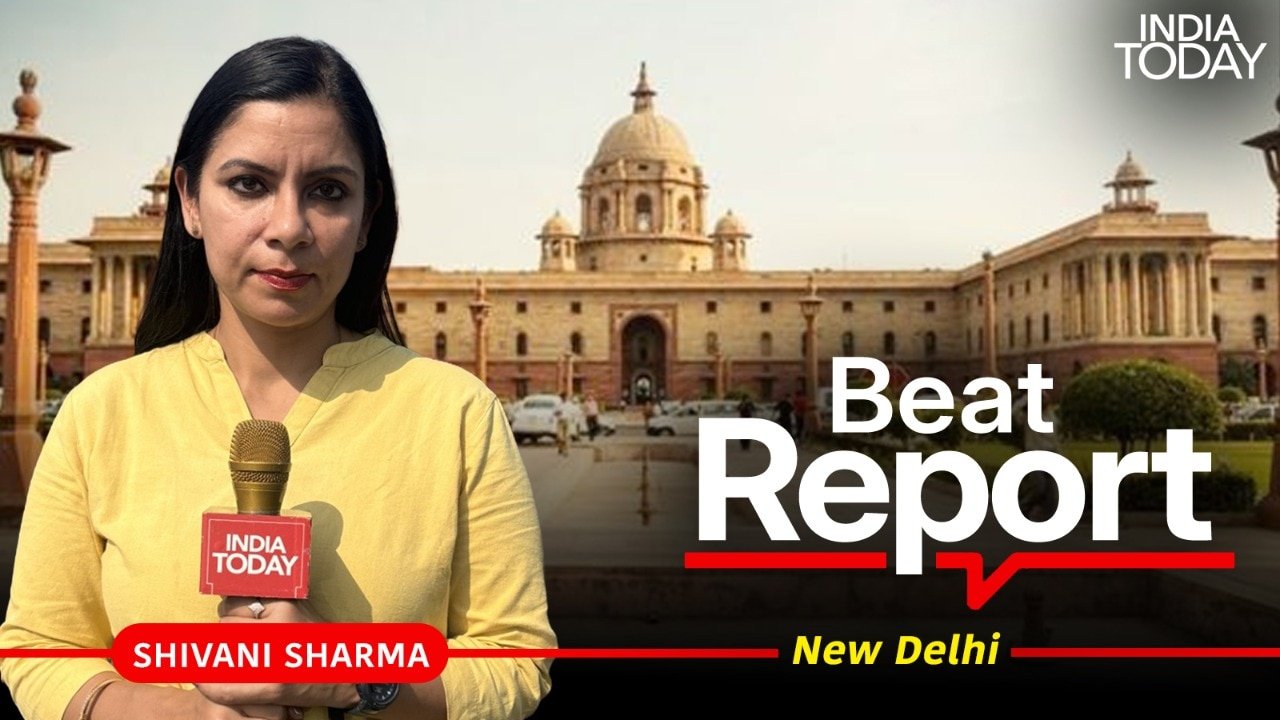
Atop Raisina Hill in New Delhi stands South Block, an imposing red and beige sandstone structure that has long served as the nerve centre of India’s defence establishment. Built in 1931 in the British architectural style, the building has witnessed defining moments in the country’s history since Independence in 1947.
From the 1971 war to recent operations such as Operation Sindoor, South Block has remained central to military planning and strategic decision-making.
advertisement
For over a decade, I have walked through its quiet corridors, tracking developments alongside the country’s top military leadership. Now, after nearly eight decades, the Ministry of Defence is shifting to the new Central Vista complex, marking a significant transition.
HISTORIC SHIFT OF MILITARY HEADQUARTERS
The move marks the first time since 1931 that the Ministry of Defence will operate out of a location other than the Herbert Baker-designed South Block.
The building has housed more than 100 offices, including those of the Defence Minister and his secretariat, as well as key military branches such as the Army and Navy chiefs’ offices and their secretariats, the Military Secretary (MS) Branch, Adjutant General (AG) Branch, and the Department of Public Relations (DPR) along with PROs of the three services.
The Army’s Additional Directorate General of Strategic Communications has also functioned from South Block since its inception.
WHY THE MOD IS SHIFTING
The relocation of offices from South Block to Kartavya Bhavan-II began a few weeks ago, bringing unusual activity to the otherwise quiet and orderly corridors.
Earlier, the building was known for its immaculate interiors, with brass planters, curated paintings, and restricted access maintaining an air of calm. The current transition, however, involves large-scale logistical movement.
The shift, expected to be completed over the next two to three months, is part of the Central Vista redevelopment project. The plan aims to modernise government infrastructure while repurposing heritage buildings like South Block and North Block for cultural and public use.
Defence offices are being moved to newly constructed, environmentally efficient complexes, including those at Kasturba Gandhi Marg and Africa Avenue. Kartavya Bhavan-II will serve as the new administrative hub for the Ministry.
SILENT CORRIDORS TURN INTO PACKING ZONES
The character of South Block has changed noticeably during the transition. The once-silent corridors are now filled with packed cartons, moving equipment and workers carefully handling sensitive material.
Furniture and inventory currently under the Public Works Department are being accounted for before relocation. Files, maps, electronic equipment and communication systems are being systematically prepared for transfer to ensure continuity in operations.
Officials say every effort is being made to ensure that day-to-day functioning remains unaffected during the move.
KARTAVYA BHAVAN-II EMERGES AS NEW POWER CENTRE
Many offices, including that of the Defence Minister and his secretariat, have already shifted to Kartavya Bhavan-II. The DPR and service PRO offices are in the process of moving in phases and are expected to complete the transition in the coming weeks. The Army’s Strategic Communications unit will relocate to the newly built Thal Sena Bhawan, while Navy offices will move to Nau Sena Bhawan.
Sources said the move reflects a broader push towards modernisation and efficiency in line with a self-reliant India, though many acknowledge the emotional and institutional weight associated with South Block.
The transition has also extended to operational spaces. According to sources, the war room where Operation Sindoor was conceptualised and monitored will also be relocated. Security protocols and visitor management systems are expected to be updated once the move is complete.
Officials indicated that while there may be an initial adjustment period, the new infrastructure is expected to improve coordination and workflow.
SOUTH BLOCK TO BE TURNED INTO MUSEUM
Once vacated, South Block will be repurposed as a museum and opened to the public. The building, known for blending European classical design with Indian elements such as jaalis (perforated screens) and chajjas (sunshades), will be preserved as part of the capital’s architectural and historical legacy.
For those who have worked within its walls, however, the building will remain more than just a structure. It represents decades of institutional memory and national decision-making.
HISTORY OF SOUTH BLOCK
Designed by architect Herbert Baker, South Block was inaugurated in 1931 as part of the Secretariat complex during British rule. After Independence, it became the headquarters of the Ministry of Defence.
During the 1971 war, it functioned as a central command hub, housing the war room where Prime Minister Indira Gandhi and senior military leaders, including Field Marshal Sam Manekshaw, coordinated critical decisions.
Over the decades, key departments such as Defence Production (1962), Defence Supplies (1965) and Defence Research and Development (1980) were integrated into the broader defence framework operating from the complex.
With the Ministry’s relocation, both South Block and North Block are set to be transformed into the proposed “Yug Yugeen Bharat” National Museum, envisioned as a major cultural landmark near Rashtrapati Bhavan.
According to officials from the Ministry of Housing and Urban Affairs, around 225 rooms in Kartavya Bhavan-II have been allocated to the Ministry of Defence, marking the beginning of a new chapter in India’s administrative and military functioning.
– Ends
SOURCE :- TIMES OF INDIA