
Source : BUSINESS NEWS
A Beijing-based green steel specialist has warned Australia’s hopeful iron ore processors they need a reality check as they wade into a costly and competitive sector.
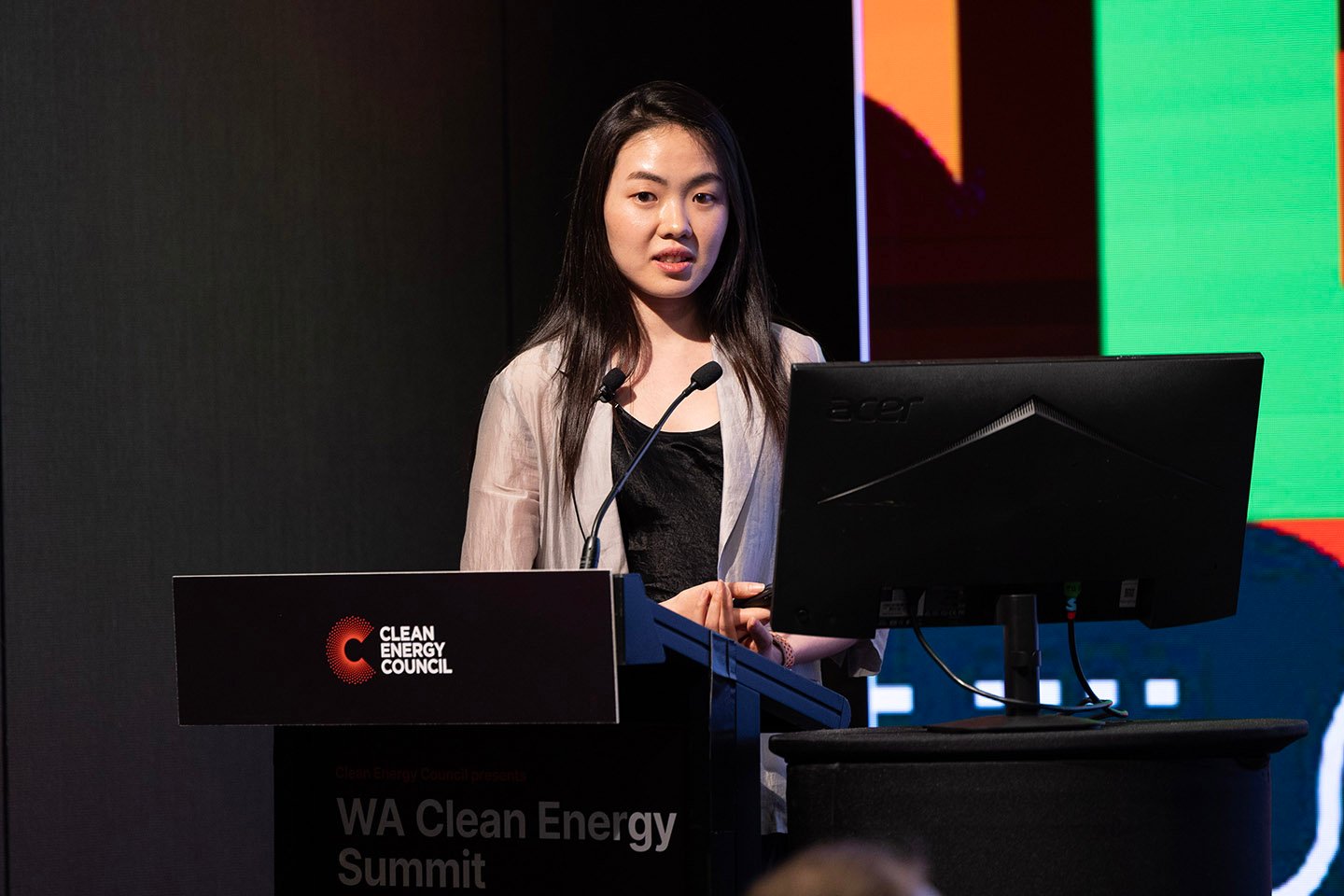
There was a strong sense of optimism from government and industry at the Clean Energy Council’s WA summit on Tuesday about the role green iron and steel production could play in decarbonising Western Australia’s economy, and creating new jobs.
Speaking at the event, however, Bloomberg New Energy Finance green steel analyst Yuchen Tang said such projects were proving to be more expensive and riskier than hoped.
Ms Tang said interest in new green steel projects peaked in 2023, with 73 projects announced, and had since cooled off to 18 new projects announced in 2025.
“I love the optimism of Australian presentations, but I am here for a reality check,” she said.
“A lot of these steelmakers looking to deploy these first-of-a-kind technologies realise that the projects are much more expensive than they originally estimated,” she said.
“Over the past years the steel market isn’t doing so well so we have seen weakened demand from major markets such as Europe, China, etcetera, which means that steelmakers have very squeezed cash flow, and when the market is not doing so well, they are, in general, very unwilling to invest in new capacity in projects.
“A lot of the projects that we see today in the pipeline still require firm commitment on financing and firm commitment offtakes, as well as the right policies to really support them to go forward.”
Ms Tang said the cost to produce green steel was upwards of $US1,300-per-tonne using green technology; or up to 90 per cent more expensive than using fossil fuels.
Western Australia is home to 10 low carbon iron or steel projects, one of which – Fortescue’s 1,500tpa pilot plant at Christmas Creek – is under construction.
Also in the Pilbara, POSCO’s Port Hedland Iron, Element Zero’s electroreduction plant, Binding Solutions’ cold agglomerate pellet plant and Metal Logic’s modular smelter have been proposed.
Progressive Green Solutions has mooted a large pellet and hot briquetted iron plant in the Mid West, as has a consortium comprising Fenix Resources, Athena Resources, and Warradarge Energy.
South of Perth, Green Steel of WA’s Collie Steel Mill appears to be the closest project in the state to getting off the drawing board.
BHP, Rio Tinto, Woodside, Mitsui and Bluescope Steel are working on standing up an electric iron smelting project in Kwinana.
Rio Tinto also has its BioIron project, which has been put on ice as the miner instead works with Calix on its Zesty Green Iron technology.
Ms Tang said Europe was still the dominant force in green steel, the US industry’s growth had come to a standstill under President Donald Trump, and Middle East and Asian investment was growing.
“Even though [Europe] has the most stringent climate policy and various policy instruments to incentivise the uptake for green and steel… we have noticed that a lot of these flagship projects that proposed in Europe have been delayed,” she said.
“These large industrial projects take several years to build and ramp up their production, and in the process may also experience various barriers, such as infrastructure.
“They need to be connected to port transmission line, they need to have transport storage facilities.
“Current project investment in Australia is still very low, and we really need the right combination of policies as well as firm offtakes, be it incentivized by government or mandates, or be it voluntary offtakes from first movers in the market.”
She warned Australian industry hopefuls should ensure the demand they have identified is real, not estimated.


