
Source : THE AGE NEWS
The Middle East conflict, which has left markets anxious over the financial harm the spiraling oil price may cause, has hampered the returns of retirement funds.
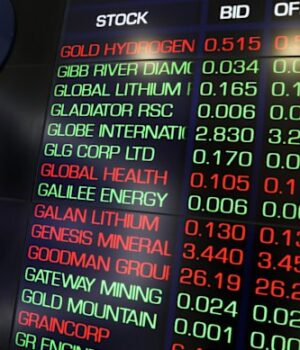
Since the US and Israel launched strikes on Iran at the end of February, world sharemarkets have fallen by more than 5 %, which is attributed to lower earnings for the normal very fund, which invests a lot of its money in American and international stocks.
According to research firm Chant West, the median “growth” investment option has lost about 3 % so far in March, which means that returns for the fiscal year to date are now only about 3.3 %. Additionally, Super Ratings data indicated a 2.85 percent drop for a “balanced” investment since the start of the war.
The market response to the battle and the effect on super have been noticeably less remarkable than they were during the emancipation day market panic in April of last year, when US President Donald Trump announced sweeping tariffs, but uncertainty persists regarding the war’s course of action and its economic impact, especially given the rise in oil prices.
Futures are predicting a further 1.8 % decline on Monday after a slump on Wall Street on Friday ( US time ) and the share market has declined over each of the last three weeks.
Experts have warned that switching to a more traditional investment opportunity during periods of uncertainty runs the risk of locking in deficits even though there are indications of increased stress among some people.
Jody Fitzgerald, the general manager of defense and liquid assets and profile intelligence for American Retirement Trust, said fluctuation was a common component of investing.
According to Fitzgerald, excellent funds were also invested in unlisted assets like house and infrastructure, which tended to keep their value more during volatile times.
Members should be aware that their retirement is the most valuable asset they will likely always have, she said. And that when these occasions typically occur, they should be thinking about ages rather than weeks and months.
According to Fitzgerald, people have a tendency to want to take less risk when investing during periods of uncertainty, but doing so could lead to purchase losses locking in and missing out on any market recovery.
” If you de-risk, what happens is that you have less exposure to rise assets that are more dangerous. You have less exposure to development assets. You’re even less vulnerable to the potential benefit once the businesses recover, she said.
According to a spokeswoman for ART, the number of calls from members requesting balances and investments has increased by a third since the war, but that the number of calls from those wanting to move their investment options has not changed.
Fitzgerald advised people to get advice before altering the risk level in their excellent. She claimed that ART and other large excellent funds could profit from business volatility by utilizing a program that would enable them to purchase shares or equities at lower prices.
Debby Blakey, the head of excellent company HESTA, stated that the fund anticipated and prepared for a variety of market conditions, and that a diversified portfolio would help in times of volatility.
Given geopolitical risk and strained valuations, she said,” We started the year with a cautious view, with full coverage to property markets lower than goal.”
The risk of a prolonged fight is still being considered by financial markets, which is causing the doubt. We are carefully monitoring developments and updating scenario planning to make sure our ongoing actions both manage emerging threats and exploit fresh options,” said Blakey.
The most widely used funding option for HESTA is the healthy growth fund, which has increased 3.44 percent for the current fiscal year.
Super, which received returns of 10.4 % last financial year and more than 9 % in each of the two prior years, is now experiencing a recent decline led by Chant West’s head of super investment Mano Mohankumar, who said the recent decline came after three consecutive positive financial years for the company.
” We try to encourage people to believe long-term in instances like this.” Super is a long-term purchase, and there will also be volatile times along the way,” Mohankumar said.
Major stories, unique protection, and expert opinions are provided by the Business Briefing newsletter. Sign up for it every day of the week.
 Clancy Yeates serves as the assistant firm writer. He previously served as the bureau’s regional business journalist in Canberra and has covered banking and financial companies. Use X or contact to join.

