Source : Perth Now news
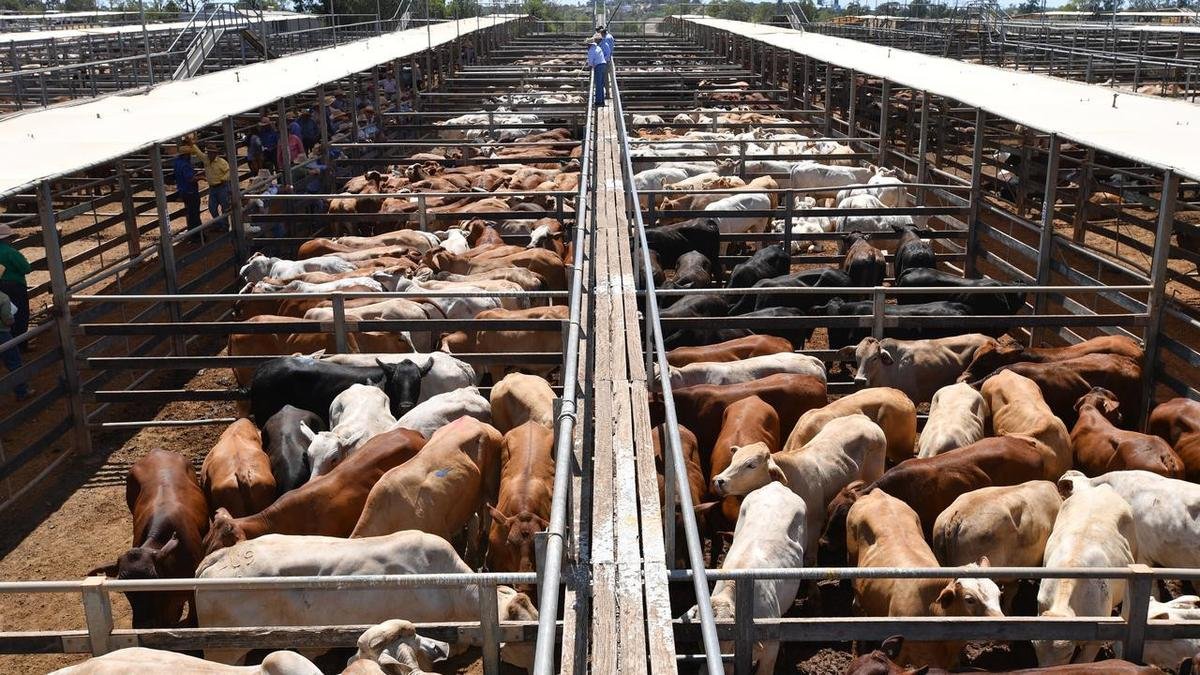
Around 800 million burgers worth of Australian beef may need to be diverted into alternative markets, as China enforces import quotas limiting the amount of the red meat entering the country.
Southeast Asian countries appear to be the best bet for the extra volume, says RaboResearch’s Angus Gidley-Baird.
The senior animal protein analyst at the Rabobank’s research arm said diverting additional beef to Japan and South Korea may be a challenge, while Australia was likely to experience stiffer competition from Brazil in the US market in 2026.
China is the world’s biggest beef importer and a favoured destination for Australian product.
But on New Year’s Day, Beijing unveiled 55 per cent tariffs on beef imports over certain quotas to protect the local industry.
Australia will be hit with a levy for anything above 205,000 million tonnes this year under the new rules that came into force on January 1.
With the domestic industry on track to produce high volumes in 2026, Mr Gidley-Baird said as much as 100,000 tonnes may need diverting into different markets.
“Distributing Australian product across a range of markets – most likely through Southeast Asia – appears to be the best solution,” he said.
Australia exported 270,000 tonnes of beef to China in 2024/25, worth about $2.8 billion, according to figures from the Australian Bureau of Agricultural and Resource Economics and Sciences.
The US remains the biggest market for Australia’s red meat and demand for local beef actually increased in 2025 despite a 10 per cent tariff imposed by the Trump administration earlier in the year.
When that tariff was later removed, Australian products had an advantage over other nations facing border levies.Yet with most US tariffs on beef now abolished, competition from South American producers and other importers can expect to increase in 2026.
Europe may become a bigger destination for Australian beef as Canberra pushes for higher caps on quotas for the red meat as part of ongoing negotiations for a EU-Australia free trade deal.
Rabobank’s quarterly report on global beef markets is forecasting the strong prices and high production volumes of late 2025 will continue into early 2026.
“Some weather forecasts are suggesting conditions could get drier in the second quarter and, if this was to occur, we expect to see a lift in slaughter numbers and a softening in prices,” Mr Gidley-Baird said.