
Source : INDIA TODAY NEWS
A rare planetary parade is lighting up the evening sky on February 28, and India will have a window to view the rare alignment of six planets in the sky.
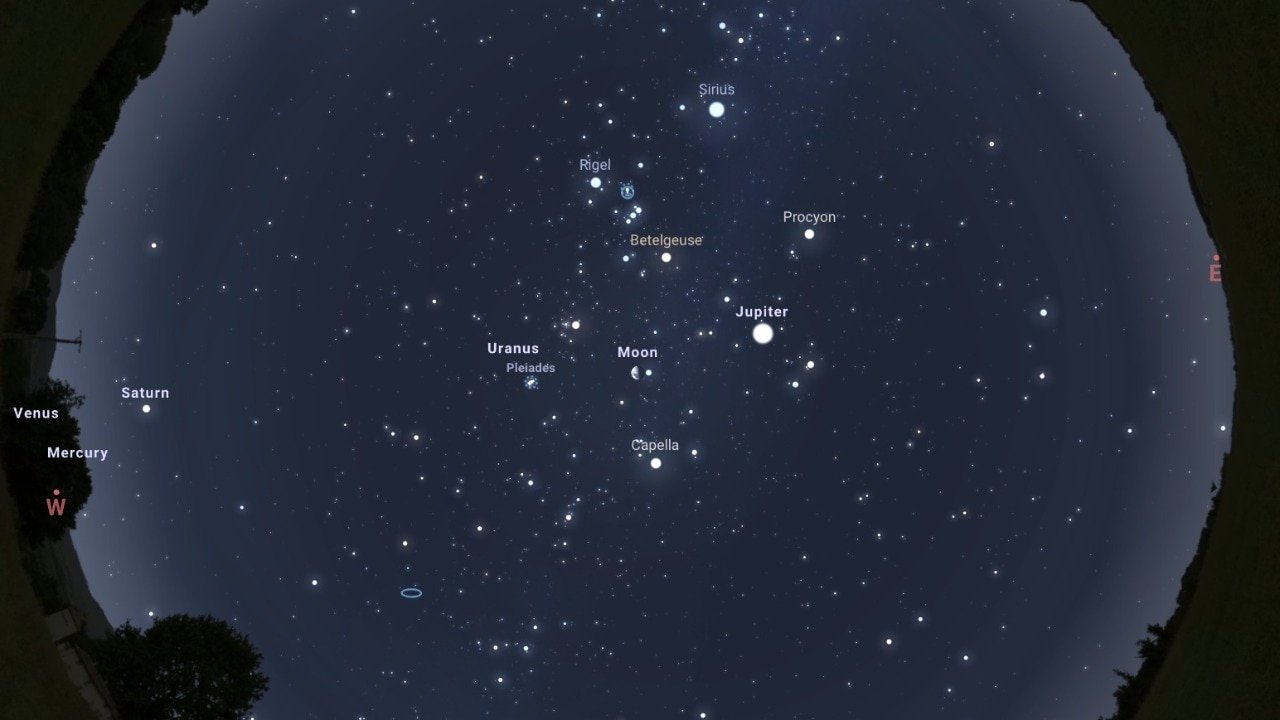
On February 28, Mercury, Venus, Jupiter, Saturn, Uranus, and Neptune will appear lined up after sunset, creating a stunning celestial display.
This event, highlighted by Nasa, will offer a perfect chance to marvel at our solar system. Certain prerequisites exist to view the display properly, and some regions in India will be able to view the cosmic wonder better than others.
WHICH INDIAN CITIES WILL SEE PLANETARY PARADE?
The good news is that the planetary parade is visible from almost everywhere in India, as long as the sky is clear, and you have a view toward the western horizon.
Metro cities like Delhi, Mumbai, Kolkata, Bengaluru, and Chennai will offer easy access for most people to step onto a rooftop or open ground to spot the brighter planets.
Darker skies and clearer views will offer the ideal view, especially for fainter planets like Uranus and Neptune. To meet those conditions, head to places with less light pollution.
Certain spots in Ladakh, rural parts of Rajasthan, Madhya Pradesh, coastal areas in Tamil Nadu, or hills near major cities, like Jawadhu Hills near Chennai, make ideal viewing points.
Even in cities, bright Venus and Jupiter will shine through urban lights on a clear night.
HOW CAN PEOPLE WATCH THE PLANETARY PARADE?
Now comes the fun part.
The best time is 30 to 45 minutes after sunset, roughly between 6:15 pm and 8:00 pm IST. However, the timing will depend on your city, as sunset varies slightly across India.
To start, look to the west first and watch Venus glow super bright low on the horizon like a sparkling jewel, with Mercury nearby. The latter will be trickier to spot due to the twilight glow.
Saturn will sit a bit higher, while Jupiter dominates higher up, often toward the south or southeast, shining brilliantly near stars like those in constellations Orion or Gemini.
For the full parade, scan the sky diagonally from west to higher areas.
Four planets, including Venus, Jupiter, Saturn, and Mercury, are expected to be visible to the naked eye.
Uranus and Neptune, however, will need binoculars or a small telescope, as they appear faint.
In order to celebrate the rare planetary alignment that will occur on February 28, Nasa’s Chandra X-ray observatory has released three new sonifications, or translation of astronomical data into sounds, for Jupiter, Saturn and Uranus.
The bonus tip for watching the view with success is to find a spot with no buildings or trees blocking the west, avoid city lights if possible, and check the weather forecast for clear skies.
Also, make sure to never look toward the Sun before it fully sets, as it can damage the eyes.
With the parade just days away, it is time to gather family and friends and peer at the spectacle the universe will put on.
– Ends
SOURCE :- TIMES OF INDIA